Landlords do not get to choose when a boiler fails. It can be 6:45 a.m. on a workday with a cold snap rolling through the Midlands, or 10:30 p.m. on a Sunday when a tenant notices no heating and the taps run tepid at best. In a rental, the inconvenience escalates quickly into legal and reputational risk. The fix demands affordable boiler repair two things at once, speed and competence. That is where local emergency boiler repair proves its worth, especially when you need same day boiler repair in and around Leicester.
Why urgency is different for landlords
A private homeowner might ride out a boiler hiccup with an extra jumper for a day or two. A landlord faces statutory repairing obligations, fitness for human habitation standards, tenant well-being, and sometimes an entire HMO relying on one plant room. When the heating or hot water goes, the tenancy agreement and the law both nudge the landlord to act fast. In winter, a complete loss of heating or hot water typically counts as an urgent issue. Good practice targets a same day response for diagnosis and a safe temporary restore if possible, with a permanent fix shortly after once parts arrive.
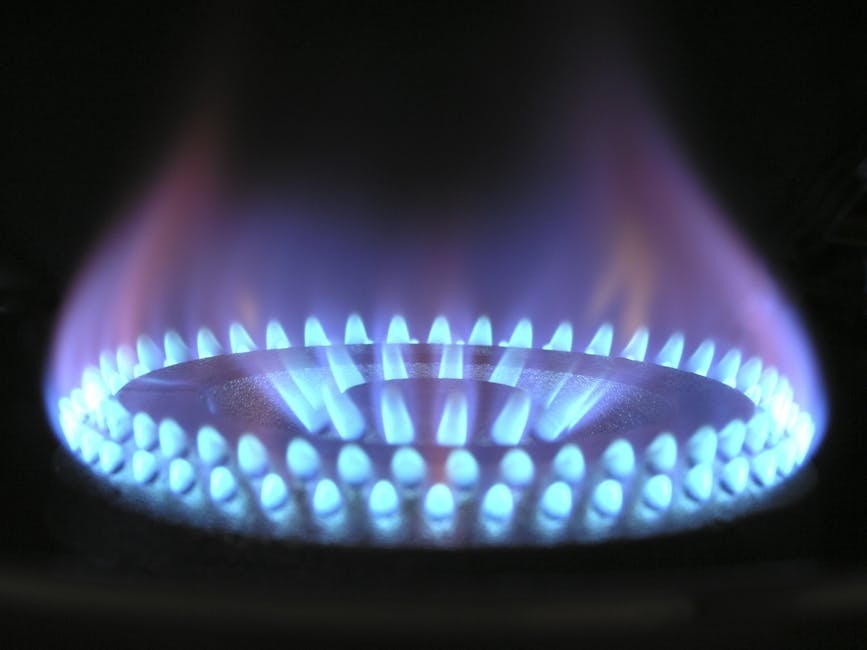
The risk is not just comfort. A failed boiler can lead to frozen pipework, leaks from a pressure relief valve discharging constantly, or even dangerous combustion if the fault is mishandled. An experienced boiler engineer knows how to triage by phone, arrive with the right spares, and keep the property safe while getting the boiler back in service.
What counts as an emergency and what does not
Not every boiler quirk is a midnight callout. An urgent boiler repair usually means one of four scenarios: total loss of heat, total loss of hot water, suspected gas escape, or signs of unsafe operation such as sooting, fumes, or the carbon monoxide alarm sounding. In a cold period, lukewarm radiators across the home also moves from nuisance to priority, both for tenant welfare and to prevent knock-on issues like damp or burst pipes.
Some issues are non-urgent, like a slightly noisy fan that still fires reliably, a timer that lost its program after a power cut, or a radiator not heating in one room due to a stuck TRV. The judgment call sits with the person you speak to when you ring for local emergency boiler repair. A good dispatcher will ask the right questions and grade the response honestly. The aim is a practical same day boiler repair for genuine emergencies and a next-day slot for lower-risk jobs.
How a fast repair actually happens
Speed is more than a van driving quickly across Leicester. It hinges on structured triage, spare parts, and realistic promises. When our phone rings for urgent boiler repair, we run a short diagnostic workflow during the call. It sorts symptoms into likely causes and tells us which parts to load. It also checks for red flags that mean we instruct the tenant to isolate gas or power immediately before we arrive.
On arrival, the engineer does two things in parallel. First, they make the situation safe, isolating the boiler if needed, checking for gas tightness with a manometer or electronic leak detector, and confirming that the flue is intact and venting correctly. Second, they run targeted tests to prove or disprove the top suspects derived from the fault code and the symptoms. The best local boiler engineers are quick because they avoid guesswork.
Geography helps too. In Leicester, a same day call to Clarendon Park at 8 a.m. can still allow a midday visit to Hamilton and an afternoon slot in Oadby, provided the vans leave with a sensible stock. We carry common PCBs for Worcester Bosch Greenstar models, Vaillant diverter valves, Ideal flow turbines, universal pumps, ignition electrodes and leads, pressure sensors, fans, condensate traps, PRVs, filling loops, and a few heat exchangers for the popular combis. If a rare part is needed, we lean on trade counters in Glenfield or Blaby that can source by late afternoon, or we schedule an early return next morning.
The Leicester housing context
Leicester’s rental stock is a mix. Victorian terraces in Highfields and West End often have combi boilers fitted during refurbishments, with microbore pipework that complicates sludge issues. Post-war semis in Braunstone, Beaumont Leys, and Thurmaston may still run system or heat-only boilers with vented cylinders and cold-water storage tanks in the loft. Student HMOs around Clarendon Park and Knighton tend to rely on newer 30 to 40 kW combis sized to handle morning shower peaks.
That variety affects both diagnosis and parts. On a combi, no hot water with heating present points you straight to a diverter valve, a DHW sensor, or a plate heat exchanger scaled with limescale from Leicester’s hard water. On systems with cylinders, intermittent hot water might be a zone valve or a failed cylinder thermostat. In bungalows around Birstall or Narborough, a frozen condensate trap or external pipe is a winter classic, especially if the installer ran the pipework externally without adequate insulation or fall.
Common emergency faults we resolve under pressure
Boilers tend to fail in familiar ways, and the same failure can present differently depending on model and installation. Here is how those patterns show up in rentals.
- Ignition lockouts. Tenant reports multiple reset attempts, maybe an F28 code on a Vaillant or EA on a Worcester. Could be a faulty electrode, worn ignition cable, blocked injectors, low gas pressure due to a regulator issue, or a fan not achieving speed. Gas tightness and working pressure get checked before and during operation to rule out supply issues. The fix can be a simple electrode and lead swap or a more involved gas valve calibration and PCB update. Frozen condensate. The property goes cold after a freeze. The boiler tries to start, then stops with a gurgle or fault code F1 or similar. A frozen external condensate pipe or trap halts operation. An engineer defrosts safely, reroutes or upsizes the pipe if practical, adds insulation, and if appropriate fits a trace heat cable for exposed runs. Pressure loss. Tenant tops up to 1.5 bar, next morning it is back to 0.4. The boiler locks out and shows low pressure. Causes range from a leaking pressure relief valve or a failed expansion vessel diaphragm to a hidden leak under floors. The emergency target is a stable state, often replacing the PRV and recharging or replacing the expansion vessel. If a system leak is suspected, we stabilise, note the bleed-down rate, and schedule a trace. Diverter valve failure. Heating works, hot water does not, or vice versa. In combis, the diverter can stick or the motor head fails. Replacement restores service within a single visit if the van stock fits the model. PCB or fan failure. No fan pre-purge, or fan runs without ignition sequence. With modern boilers, PCB faults are either obvious or sneaky. We confirm with voltage and resistance readings and rule out the fan motor. An in-stock PCB swap can rescue the day. If not, we leave the system safe, order the part, and return early the next day. Limescale and plate heat exchangers. Leicester’s water sits firmly in the hard range. A plate heat exchanger partially blocked by limescale or sludge causes hot water that pulses hot and cold, especially at taps with high flow. We descale where possible or replace the plate and advise on a scale reducer and inhibitor dosing. Pumps and airlocks. After recent radiator work, a pump can cavitate. The tenant hears chugging or the boiler overheats and locks out. A proper venting process, pump check, and sometimes a pump replacement puts things right.
The trick during emergency hours is to get the boiler working safely now and prevent a second callout later. That means we do not just swap the obvious part. We test system pressure, check the condensate route, confirm flue integrity, and record combustion values where needed.
Safety and compliance in rentals
Landlords carry specific duties in the UK for gas appliances. The Gas Safety (Installation and Use) Regulations require annual checks by a Gas Safe registered engineer. The CP12 Landlord Gas Safety Record must cover every gas appliance and flue in the property. If a boiler fails and we attend for gas boiler repair, we work within that framework. If we find immediately dangerous conditions, we must make them safe, which can involve disconnecting the appliance with your consent recorded.
Safety spans more than the boiler. A carbon monoxide alarm must be present and working in any room containing a solid fuel appliance; current guidance and local licensing often extend expectations for CO alarms to rooms with gas boilers too. As a matter of good practice, we recommend fitting a CO alarm on the correct wall or ceiling position near the boiler room or hallway outside it. We test it during the visit and note it on the job report.
Tenant communication is part of safety. When we accept a local emergency boiler repair, we tell the tenant what to do and not to do. They should not remove panels, poke at the flue terminal, or tape over a dripping PRV discharge. Boilers are room-sealed for a reason, and only a qualified boiler engineer should open the case.
Dispatching fast without cutting corners
Speed often tempts shortcuts that cost more later. Skipping a proper flue gas analysis or glossing over ventilation checks saves minutes and risks noncompliance. We build speed into the process instead. The call handler logs boiler make, model, approximate age, known fault codes, symptoms, last service date, access instructions, and parking details. This alone can cut 30 minutes from an emergency. An engineer who knows they are heading to a Baxi 600 combi with an E133 code in Evington does not arrive blind. They arrive with the right gaskets, electrodes, and knowledge that E133 often points to ignition or gas valve issues.
We also maintain van stock based on the Leicester mix of boilers. In practice, this means more Worcester Bosch Greenstar fans and PCBs, Vaillant diverter kits, Ideal Logic pressure sensors, universal pumps, and common seals and electrodes. Predictable stock beats glamorous tools in emergencies.
Tenant management during an emergency
Tenants want to know three things: when someone will arrive, what they should do until then, and whether they will have heat and hot water tonight. Honest timelines reduce anxiety and reduce call-backs to the office. We set expectations and keep the landlord in the loop. If a part must be ordered, a temporary solution like electric fan heaters or immersion heater activation keeps the property habitable. For properties with vented cylinders and an immersion element, we instruct the tenant how to use the immersion safely. For combi-only properties without backup, we can place small fan heaters for vulnerable tenants and document the steps taken.
What tenants can safely try before the engineer arrives
The right self-help steps can restore service without risk. The wrong ones can complicate the fault.
List 1: Tenant-safe checks before an emergency visit
- Check the room thermostat and programmer times, then try a manual call for heat. Look at the boiler pressure gauge. If it is below 1.0 bar and there are no visible leaks, top up to 1.2 to 1.5 using the filling loop, then close it fully. If the condensate pipe might be frozen, pour warm, not boiling, water over the external section and try a reset once thawed. If a fault code is shown, take a clear photo. Do not remove any case screws. If you smell gas or your carbon monoxide alarm sounds, turn off the gas at the meter, open windows, evacuate, and call the emergency number.
These steps are within a tenant’s ability and do not cross into engineer-only territory. They also provide useful information for the attending boiler engineer.
Balancing speed and cost: pricing that makes sense
Emergency callouts prompt fair questions about cost. Where possible, we offer a clear structure: a fixed first-hour rate that includes diagnostics and common small parts, a transparent parts price for anything substantial, and a half-hourly rate thereafter. When a control board or fan is needed, we quote before fitting and explain options with manufacturer parts versus compatible alternatives if permissible. Landlords appreciate that a small same day boiler repair can cost less than a second visit. This is why we stock parts. It lets us fix now and save the second attendance fee.
Warranty considerations matter too. Many boilers in Leicester rentals are within manufacturer warranty or have an extended parts and labour cover. Fitting a non-OEM part can void that cover. An engineer who asks for the warranty documents before starting work is not being awkward. They are protecting the asset. If a boiler is out of warranty and approaching 12 to 15 years of age, we discuss the repair versus replace curve honestly. A 350 pound PCB on a 14-year-old unit makes different sense than on a four-year-old one.
Repair or replace: reading the signs like a professional
The rule of thumb is simple. If the repair cost exceeds 30 to 40 percent of the cost of a like-for-like replacement, and the boiler is beyond half its expected life, consider a replacement. Other factors tilt the scale: availability of parts for older models, repeated breakdowns in the last two winters, energy efficiency gains of a new A-rated condensing boiler, and tenant profile. In student HMOs where downtime hurts reputation and retention, reliability weighs heavily.
As an example, a 10-year-old combi with repeated diverter and fan issues that now needs a new primary heat exchanger might cost 900 to 1,200 pounds in parts and labour to repair, while a quality replacement combi, flue, filter, thermostat, and commissioning might run 2,200 to 2,800 depending on flueing and gas pipe upgrades. If the current gas pipe is undersized and the flue route is tricky, repair could make sense as a stopgap with a plan to replace in summer. Judgment beats formulas here.
Case files from real callouts around Leicester
A winter morning in Hamilton: a young family reported no heating and a gurgling boiler. The Vaillant ecoTEC showed F75, a pressure sensor fault. System pressure had dropped, and the pump struggled against sludge. We replaced the sensor from van stock, recharged the expansion vessel, dosed inhibitor, and bled the radiators. Heat returned within an hour. We booked a powerflush for the shoulder season to avoid more sludge-related callouts.
A student HMO in Clarendon Park: several showers queued in the morning, and hot water ran hot then cold. The Ideal Logic combi showed normal firing but flow temperatures swung. A scaled plate heat exchanger was the culprit. We swapped it same day, fitted a scale reducer on the cold feed, and explained to the managing agent why hard water in Leicester requires annual checks on plate performance.
A Victorian terrace in West End: tenant called at 9 p.m. with a carbon monoxide alarm sounding. On arrival, our gas tester showed no ambient CO, but the boiler’s flue had a separated joint in the loft space where a prior installer used the wrong support bracket. We made the boiler safe by disconnecting, capped the gas at the appliance, and left electric heaters. Flue parts arrived by 10 a.m. next day. We rebuilt the flue, pressure-tested, and performed combustion analysis. The landlord received a full report with photos for insurance and licensing records.
A bungalow in Birstall: no heat in a cold snap. The external condensate ran 15 meters in 22 mm pipe with shallow fall. It froze solid. We thawed it, rerouted part of the run internally to keep the trap warm, upsized the external section to 32 mm where exposed, improved insulation, and added a small trace heat cable set on a frost stat. No further calls that winter.
The legal and compliance backdrop
Landlords sometimes ask what the law expects for turnaround. The Landlord and Tenant Act 1985 requires landlords to keep installations for the supply of water, gas, electricity, sanitation, and space heating in repair and proper working order. While the act does not set a fixed hour count, housing standards and best practice set clear expectations. A complete loss of heating or hot water during winter should be treated as urgent. Many local authorities expect a 24-hour response for emergencies. The Homes (Fitness for Human Habitation) Act 2018 pushes the standard further by making unfitness actionable if a property lacks adequate heating and hot water.
Documentation matters. After an emergency gas boiler repair, we issue a job sheet that records fault, readings, actions, parts used, and safety checks. We note if this visit interacts with the annual Gas Safety Record. If the CP12 is due within the next 60 days, we often complete it alongside the repair to reduce access appointments. For HMOs, we can also provide photos to support license conditions that require periodic appliance checks beyond the minimum.
Prevent the next emergency
Rental portfolios bleed money on repeat faults. The cure is not just annual servicing, though that is the foundation. It is a service regime that matches the property, water quality, and tenant use. Combi-heavy portfolios in Leicester benefit from:
- Annual service that includes cleaning the condensate trap, burner inspection, gasket replacement where specified, and a full combustion analysis with any necessary gas valve calibration. Inhibitor testing with top-up dosing, a check on system filter condition, and a note on magnetite load to anticipate a powerflush cycle. Scale management on DHW plates in hard water areas. Inspect flow temperatures and delta T, descale or replace as performance declines. Condensate routing checks before winter. No long external runs in small-bore pipe without insulation and fall. Adjust now rather than when it freezes. Control checks. Many no-heat calls are programmer or thermostat related. Verifying controls during service prevents needless emergencies.
We also recommend a light-touch remote monitor where compatible, such as thermostats that can flag lockouts and temperature drops. In HMOs, this alerts a managing agent before a tenant tries DIY fixes or before pipes freeze. A small monthly fee can save one burst pipe claim, which justifies the cost for years.
Choosing local boiler engineers in Leicester you can trust
The difference between a smooth emergency and a nightmare is the person at the door. You want Gas Safe registered engineers with verifiable credentials, especially for gas boiler repair. You also want a team that understands rental dynamics: access coordination, key collection, and tenant communication. Ask about response times, van stock, manufacturer training, and reporting standards. Landlords and agents in Leicester often prefer firms that can handle both emergency boiler repair and scheduled maintenance, do CP12 certificates, and manage small system upgrades like TRV replacements or smart thermostat installations.
Local knowledge helps. An engineer who has navigated parking around De Montfort University or knows where to source a Vaillant fan at 3 p.m. on a Friday is more valuable than a cheaper hourly rate 25 miles away. For portfolio landlords, a service-level agreement with clear escalation paths, monthly reporting, and agreed pricing keeps surprises to a minimum.
Leicester-specific patterns and how we plan for them
The Midlands climate throws sudden cold snaps that expose weaknesses in condensate routing. We pre-inspect exposed pipework at managed properties each autumn. Student turnover spikes in July to September mean a flood of access appointments just as service schedules reset. We route engineers strategically during those months to cover Clarendon Park and Knighton in walking clusters where possible, then fan out to Wigston, Glenfield, and Thurmaston later in the day.
Hard water creates scale on plates in as little as 18 to 36 months in high-use HMOs. We stock multiple plate heat exchangers for Ideal, Vaillant, and Worcester models. Microbore systems in terraced rentals choke with magnetite if not flushed after radiator swaps. We carry adapters and hoses to perform targeted cleans without tearing up floors.
These are not abstract observations. They are patterns that shape van stock, training, and call routing. The result is a higher success rate for boiler repair same day and fewer return visits.
When a full fix is not possible same day
Even the best-stocked van meets a rare part or a manufacturer-only component that cannot be sourced within hours. We plan for that. First, we leave the property safe. Second, we provide a documented temporary heat plan where required, like portable electric heaters for living spaces, and instructions for immersion heaters where installed. Third, we pin the earliest return slot and keep the tenant and landlord informed with realistic delivery times. Tenants value clarity as much as warmth. Landlords value predictability and audit trails.
Working with managing agents and portfolio landlords
Agents juggle dozens or hundreds of properties, keys, and tenants. Our role is to remove friction. That means clear intake forms that capture property access details, pet notes, alarm codes, and parking constraints. It means job sheets emailed the same day with photos of replaced parts and advisories. It means a spare set of lockbox codes to place heaters if the tenant is away. For repeat properties, we keep a model and service history file so an engineer shows up on a second call already aware that the Baxi in Wigston has an old-style flue elbow that tends to weep.
For larger portfolios, we agree response tiers: two-hour attendance for vulnerable tenants or total heat loss in winter, same day attendance for other emergencies, and next-day for standard issues. We also offer quarterly reviews that surface recurring faults, parts spend by address, and candidates for proactive replacement. This changes repair from firefighting into asset management.
The reputational angle no one mentions
Tenants do not write online reviews about a boiler that never fails. They write when it fails at the worst moment and no one picks up the phone. Fast, clear, fair emergency handling builds goodwill that pays off when renewals come around. Landlords and agents who invest in responsive local emergency boiler repair see fewer disputes and lower churn. It also lowers the chance of a compensation claim for cold periods, which can exceed the cost of the repair or even a new boiler if the issue drags.
Brief technical guide: what we check during an emergency visit
An emergency boiler call is not a rushed service. It is a focused diagnostic with safety checks. The engineer typically inspects flue integrity and support, confirms adequate combustion air and that the boiler is room-sealed, performs gas tightness and working pressure checks, checks burner ignition sequence and flame rectification, verifies pump operation and system pressure, inspects condensate trap and pipework with attention to routing and fall, reads and interprets fault codes against live tests, and records findings and readings. If a repair is completed, they run the appliance through both CH and DHW demands, confirm temperature stability, and check radiators for circulation issues. If anything suggests risk, they advise and document.
A short landlord checklist for emergencies
When the call comes, a little preparation saves time and stress.
List 2: Landlord emergency readiness checklist
- Keep a current list of boiler models, serial numbers, and warranty status for each property. Store Gas Safety Records and service history where you can access them during a call. Maintain a simple communication flow: tenant calls you or your agent, you call your chosen engineer, and everyone receives the ETA and any safety steps. Agree in advance on spending thresholds for after-hours work so an engineer can proceed without delay. Consider a winter readiness check each October, focusing on condensate routes, controls, and inhibitor levels.
These habits reduce decision time and let a competent engineer complete an urgent boiler repair with minimal back-and-forth.
Local, fast, and thorough beats everything else
Boiler repair Leicester is a practical discipline more than a slogan. It is van stock chosen for local housing stock, training aimed at the models actually installed in Syston, Braunstone, or Oadby, and a phone system that answers at odd hours. It is a team of local boiler engineers who can handle both urgent boiler repair and planned upgrades. It is also the recognition that tenants live with the outcomes, so communication and safety are not negotiable.
If you manage rentals, treat your boiler estate like the critical system it is. Build a relationship with a reliable boiler engineer, align on response times, share the property details that matter, and schedule sensible preventive work. When the inevitable emergency arrives, you will get a same day boiler repair more often, secure in the knowledge that the fix is safe, documented, and suited to the property. That is what local emergency boiler repair should deliver for rental properties in Leicester and the surrounding towns.
Local Plumber Leicester – Plumbing & Heating Experts
Covering Leicester | Oadby | Wigston | Loughborough | Market Harborough
0116 216 9098
[email protected]
www.localplumberleicester.co.uk
Local Plumber Leicester – Subs Plumbing & Heating Ltd deliver expert boiler repair services across Leicester and Leicestershire. Our fully qualified, Gas Safe registered engineers specialise in diagnosing faults, repairing breakdowns, and restoring heating systems quickly and safely. We work with all major boiler brands and offer 24/7 emergency callouts with no hidden charges. As a trusted, family-run business, we’re known for fast response times, transparent pricing, and 5-star customer care. Free quotes available across all residential boiler repair jobs.
Service Areas: Leicester, Oadby, Wigston, Blaby, Glenfield, Braunstone, Loughborough, Market Harborough, Syston, Thurmaston, Anstey, Countesthorpe, Enderby, Narborough, Great Glen, Fleckney, Rothley, Sileby, Mountsorrel, Evington, Aylestone, Clarendon Park, Stoneygate, Hamilton, Knighton, Cosby, Houghton on the Hill, Kibworth Harcourt, Whetstone, Thorpe Astley, Bushby and surrounding areas across Leicestershire.
Google Business Profile:
View on Google Search
About Subs Plumbing on Google Maps
Knowledge Graph
Latest Updates
Follow Local Plumber Leicester:
Facebook |
Instagram

Visit @subs_plumbing_and_heating on Instagram
Gas Safe Boiler Repairs across Leicester and Leicestershire – Local Plumber Leicester (Subs Plumbing & Heating Ltd) provide expert boiler fault diagnosis, emergency breakdown response, boiler servicing, and full boiler replacements. Whether it’s a leaking system or no heating, our trusted engineers deliver fast, affordable, and fully insured repairs for all major brands. We cover homes and rental properties across Leicester, ensuring reliable heating all year round.
❓
Q. How much should a boiler repair cost?
A. The cost of a boiler repair in the United Kingdom typically ranges from £100 to £400, depending on the complexity of the issue and the type of boiler. For minor repairs, such as a faulty thermostat or pressure issue, you might pay around £100 to £200, while more significant problems like a broken heat exchanger can cost upwards of £300. Always use a Gas Safe registered engineer for compliance and safety, and get multiple quotes to ensure fair pricing.
❓
Q. What are the signs of a faulty boiler?
A. Signs of a faulty boiler include unusual noises (banging or whistling), radiators not heating properly, low water pressure, or a sudden rise in energy bills. If the pilot light keeps going out or hot water supply is inconsistent, these are also red flags. Prompt attention can prevent bigger repairs—always contact a Gas Safe registered engineer for diagnosis and service.
❓
Q. Is it cheaper to repair or replace a boiler?
A. If your boiler is over 10 years old or repairs exceed £400, replacing it may be more cost-effective. New energy-efficient models can reduce heating bills by up to 30%. Boiler replacement typically costs between £1,500 and £3,000, including installation. A Gas Safe engineer can assess your boiler’s condition and advise accordingly.
❓
Q. Should a 20 year old boiler be replaced?
A. Yes, most boilers last 10–15 years, so a 20-year-old system is likely inefficient and at higher risk of failure. Replacing it could save up to £300 annually on energy bills. Newer boilers must meet UK energy performance standards, and installation by a Gas Safe registered engineer ensures legal compliance and safety.
❓
Q. What qualifications should I look for in a boiler repair technician in Leicester?
A. A qualified boiler technician should be Gas Safe registered. Additional credentials include NVQ Level 2 or 3 in Heating and Ventilating, and manufacturer-approved training for brands like Worcester Bosch or Ideal. Always ask for reviews, proof of certification, and a written quote before proceeding with any repair.
❓
Q. How long does a typical boiler repair take in the UK?
A. Most boiler repairs take 1 to 3 hours. Simple fixes like replacing a thermostat or pump are usually quicker, while more complex faults may take longer. Expect to pay £100–£300 depending on labour and parts. Always hire a Gas Safe registered engineer for legal and safety reasons.
❓
Q. Are there any government grants available for boiler repairs in Leicester?
A. Yes, schemes like the Energy Company Obligation (ECO) may provide grants for boiler repairs or replacements for low-income households. Local councils in Leicester may also offer energy-efficiency programmes. Visit the Leicester City Council website for eligibility details and speak with a registered installer for guidance.
❓
Q. What are the most common causes of boiler breakdowns in the UK?
A. Common causes include sludge build-up, worn components like the thermocouple or diverter valve, leaks, or pressure issues. Annual servicing (£70–£100) helps prevent breakdowns and ensures the system remains safe and efficient. Always use a Gas Safe engineer for repairs and servicing.
❓
Q. How can I maintain my boiler to prevent the need for repairs?
A. Schedule annual servicing with a Gas Safe engineer, check boiler pressure regularly (should be between 1–1.5 bar), and bleed radiators as needed. Keep the area around the boiler clear and monitor for strange noises or water leaks. Regular checks extend lifespan and ensure efficient performance.
❓
Q. What safety regulations should be followed when repairing a boiler?
A. All gas work in the UK must comply with the Gas Safety (Installation and Use) Regulations 1998. Repairs should only be performed by Gas Safe registered engineers. Annual servicing is also recommended to maintain safety, costing around £80–£120. Always verify the engineer's registration before allowing any work.
Local Area Information for Leicester, Leicestershire